

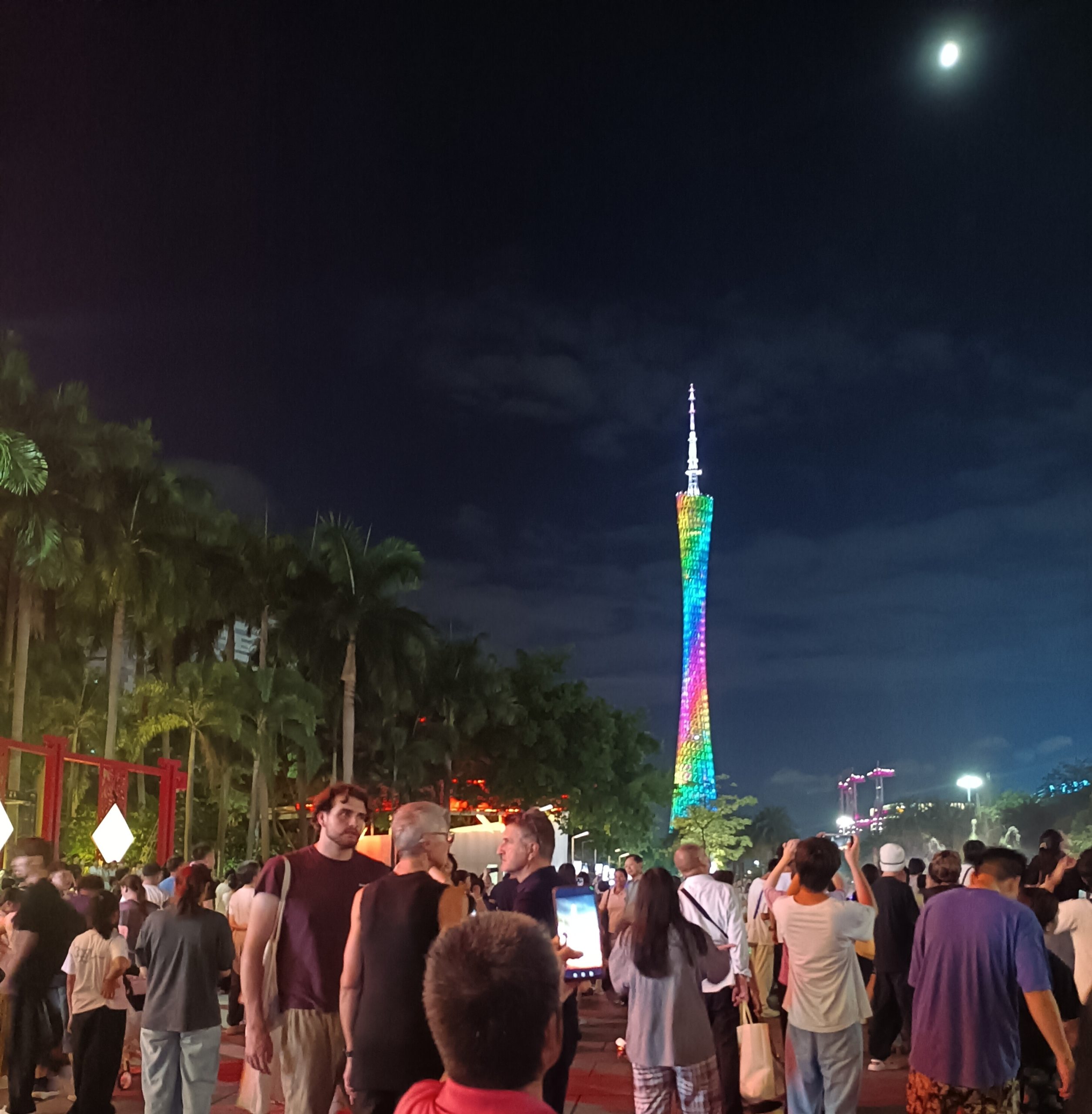
What the 140th Canton Fair Tells Us About the Lighting Industry in Future
The 140th Canton Fair just gave the global lighting industry a clear signal:
The future of lighting is not “cheaper bulbs.” It’s smarter light, cleaner energy, and stronger suppliers.
If you’re an importer, distributor, wholesaler, or project buyer, this shift changes how you should source LED products in 2026 and beyond.
Here’s what we saw, where the growth is going, and exactly how to choose a lighting supplier that won’t burn you later.
1. 3 Big Lighting Trends from the 140th Canton Fair
At the 140th Canton Fair Phase 1 (Oct 15–19, 2026), lighting was no longer just about brightness. The whole sector moved toward “New, Green, Smart”:
- 23.2% of exhibited products were new products
- 26% were green products
- 64% of exhibitors used AI, industrial internet, or smart manufacturing
🔆 Trend 1: Smart Lighting Is Now Expected
Buyers no longer ask “Does it turn on?”
They ask: “Can it sense people? Can it dim automatically? Does it connect to my building system?”
AI lighting, human-centric lighting, motion sensors, and IoT controls are now standard talking points—not luxury add-ons.
Think:
- Smart street lights with remote management
- Adaptive office lighting
- Elderly-care lighting with auto on/off
- Tunable white + circadian rhythm support
☀️ Trend 2: Solar + Storage Is the Fastest-Growing Category
Solar street lights, off-grid solar lamps, and PV-storage systems dominated the booths.
Why? Because demand is exploding in:
- Africa
- Middle East
- Southeast Asia
- Latin America
- Rural infrastructure & EPC projects
The winning products now offer:
- 1-day solar charge, 3-day battery backup
- LiFePO4 batteries
- IoT remote monitoring
- IP65+ weather resistance
🌱 Trend 3: Green Means More Than “Energy Saving”
“Green” used to mean “LED saves power.” Now it means:
- Low-carbon manufacturing
- Recyclable materials
- Modular, repairable designs
- Third-party environmental compliance
European and government buyers especially want proof—not slogans.
2. Where the Real Profit Opportunities Are
If you’re planning your 2026–2027 product mix, these are the high-potential categories:
| Category | Best for |
|---|---|
| Solar street & area lighting | Distributors, EPC, municipal projects |
| Smart commercial LED | Offices, retail, hotels, warehouses |
| Human-centric indoor lighting | Healthcare, senior living, premium homes |
| Modular linear lighting | Architects, renovation, green buildings |
| Portable & work lighting | Outdoor retail, camping, industrial use |
The takeaway: stop competing on generic LED bulbs. Compete on systems, scenarios, and reliability.
3. How Buyers Should Choose a Lighting Supplier in 2026
This is the part that protects your money.
A nice booth at Canton Fair doesn’t prove a supplier can deliver. Use this checklist.
✅ 1. Check Real Certifications (Not Just Logos)
Ask for:
- CE / RoHS for Europe
- UL / ETL / FCC for the US
- SAA / RCM for Australia
- LM-79 / LM-80 / IES files for photometrics
Then verify the certificate number with the lab (SGS, TÜV, Intertek). Fake “CE” stickers are everywhere.
✅ 2. Look for Factory, Not Just Trading Company
Red flags:
- They sell lights, furniture, and kitchenware together
- They can’t answer basic production questions
- No real factory video, no production line photos
Better sign:
- Clear product focus (e.g. only commercial LED or only solar lighting)
- In-house SMT, aging test, QC process
- Willing to do a video factory tour
✅ 3. Test Samples Before Container Orders
Don’t just switch it on. Test:
- Real lumen output
- CRI / color consistency
- Flicker (use phone camera)
- Heat after 24–72 hours
- Driver quality
- Waterproof performance for outdoor use
A $1 cheaper unit can cost you 10x in returns.
✅ 4. Ask the Right Technical Questions
Good suppliers can answer:
- Luminaire efficacy (lm/W), not just chip efficacy
- UGR < 19 for office/retail use
- Dimming: 0-10V, DALI-2, Matter, Zigbee
- IP & IK ratings for outdoor projects
- Battery cycle life for solar products
- Spare parts availability after 3–5 years
If they only say “No problem, very good quality,” keep looking.
✅ 5. Evaluate Customization & Project Support
For 2026, buyers need more than SKUs. You need:
- OEM / ODM / private label
- Non-standard sizes & optical designs
- Dialux simulation for projects
- Packaging & certification support
- Stable lead times + written warranty
✅ 6. Do a Post-Fair Factory Audit
Canton Fair is for shortlisting.
The real decision happens after:
Shortlist → Sample test → Factory audit → Trial order → Scale up
Never finalize a big order on the booth.
4. Buyer cheat sheet by business type
Wholesaler / Distributor
→ Focus on certifications, MOQ flexibility, packaging, and after-sales spare parts.
Project / EPC Buyer
→ Focus on IES files, IP ratings, battery backup, smart controls, and custom engineering.
Brand Importer
→ Focus on OEM/ODM, exclusive models, design protection, and consistent quality.
Trading Company
→ Partner with factories that have R&D—not just price lists.
5. Final Thought: Buy Light, Not Just Lamps
The 140th Canton Fair made one thing obvious:
Lighting is now a tech category, not a commodity.
The winners in the next 3–5 years will be buyers who choose suppliers based on:
- Compliance
- Reliability
- Smart features
- Solar/storage capability
- Long-term partnership
Cheap quotes fade fast.
Good light, certified quality, and dependable factories compound.
FAQ :
What are the top lighting trends in 2026?
Smart lighting, solar + storage systems, human-centric lighting, and green/compliant manufacturing.
How do I choose a reliable LED supplier from Canton Fair?
Verify certifications, test samples, check factory capability, ask technical questions, and run a post-fair audit before bulk orders.
Which lighting products have the most export growth?
Solar street lights, smart commercial LED, modular linear lighting, and off-grid lighting for emerging markets.
The 140th Canton Fair sent a clear message to the global market: the lighting industry has outgrown the “cheap bulb” era.
The real growth in 2026 and beyond will come from smart LED lighting, solar-powered systems, and green, compliant products. For buyers, this means your sourcing strategy needs a major upgrade. Stop chasing the lowest unit price, and start looking for reliable LED suppliers who can deliver certified quality, technical support, and long-term partnership.
$previous_post_url = ''; $next_post_url = '';